
Before we had children, my wife and I used to cook at home a lot. We also ate out frequently. In Barcelona that’s easy — most restaurants offer a menu del día, a set lunch menu at a fixed price, which is usually excellent value. We both worked from home, so a lunch out was a nice break before heading back to our desks.
Then we had kids. Free time collapsed. Cooking stopped being a hobby and turned into a chore squeezed between school runs, work, and bedtime. At some point we quietly made a decision that — at the time — felt unusual: we started outsourcing our meals to a chef.
A few years on, it’s one of the best decisions we’ve made as a family.
COVID accelerated something that was already happening
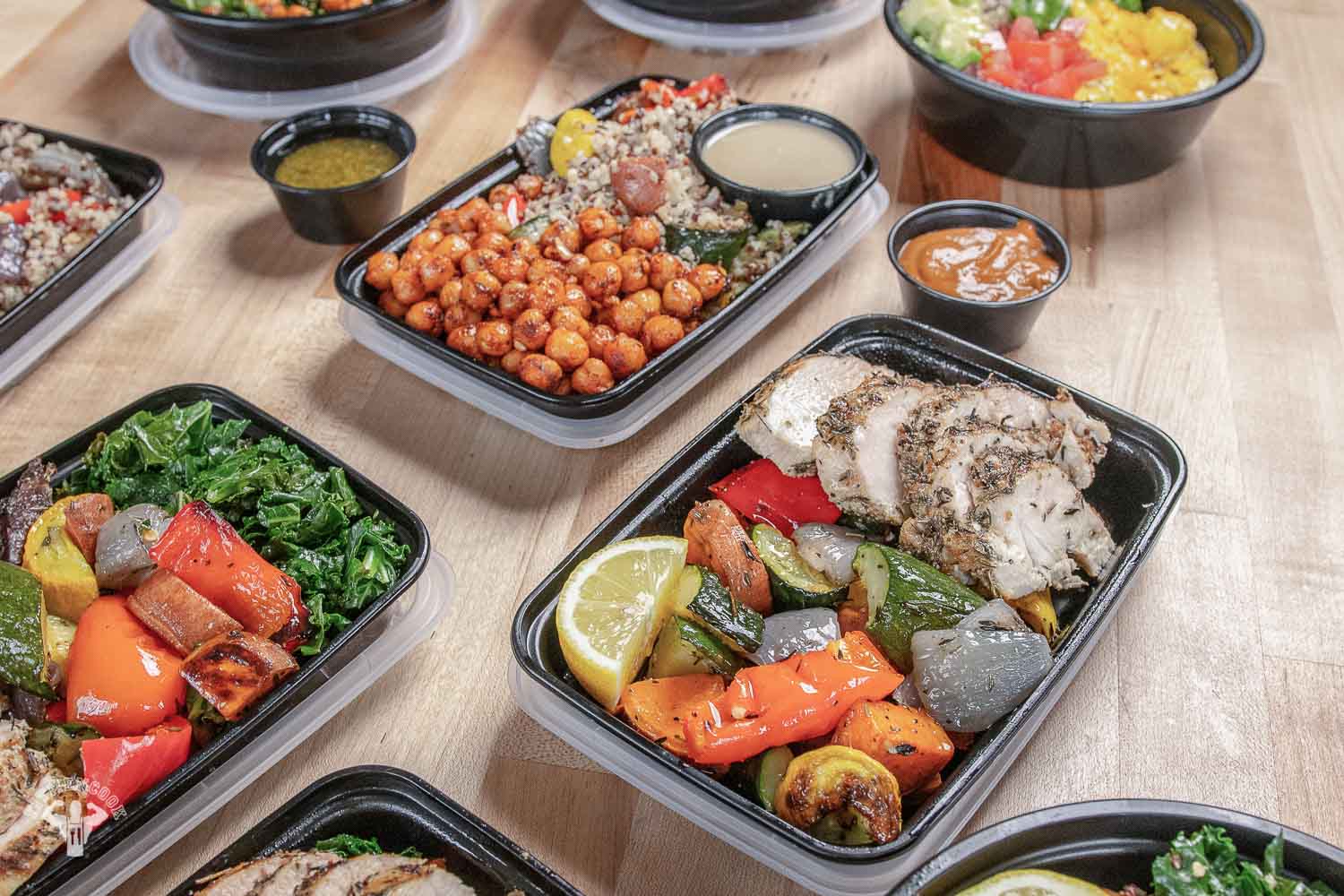
In 2020, the COVID crisis supercharged meal plan deliveries in Barcelona. Lots of kitchens opened up — not restaurants in the traditional sense, but production kitchens that cook dishes and sell them through delivery apps or direct pickup. No tables, no wait staff, no COVID restrictions to navigate. Lower fixed costs, fewer moving parts.
As a customer, I love the idea. And this is not a local quirk — the same pattern has been spreading in the United States for years. What we’re watching, I think, is the early days of cooking-as-a-service.
In much the same way we’ve outsourced laundry, transport, and cleaning to specialists, cooking is the next daily chore headed for specialization in developed economies.
The time math is brutal
If you have a family with a couple of kids, cooking three meals a day — shopping for ingredients, preparing them, cooking, serving, and cleaning up after — easily takes four to five hours of aggregate household time each day.
Four to five hours. Every day. For a job you don’t get paid for, and one most people don’t even enjoy.
Historically that labour fell on women. As more women return to (or stay in) the workforce, the household has to decide what to drop. Cooking is an obvious candidate — not because it’s trivial, but because it’s one of the things that can actually be outsourced without losing much.
A specialist chef eats better than you cook
If you leave cooking to a specialist, you’ll almost certainly eat a healthier and more varied diet. It’s simple logic:
- A chef running a kitchen cooks dozens of different dishes each week. At home, most of us rotate the same six to eight meals on repeat, because decision fatigue is real.
- A chef who buys raw materials in bulk has the expertise to distinguish between a great piece of fish and a mediocre one. Most home cooks don’t.
- That same chef can source at a better price thanks to volume and supplier relationships — savings that, in a lean operation, get passed on.
There’s also the quieter benefit that’s harder to quantify: a professional who cooks for a living is simply better at it. They know which techniques matter and which don’t. They know how to season for reheating. They know what kids will actually eat.
It doesn’t necessarily cost more
Here’s the counter-intuitive part. Food is typically the second-largest monthly expense for my family after rent. Since switching most of our food to a specialist kitchen, our total cost has stayed roughly the same — but we’ve gained back enormous time, and we eat dramatically better. That’s before you put a monetary value on the recovered hours.
What you actually get back
- Time. The most obvious one. Hours each day that were being spent on a chore you didn’t love.
- Presence. You spend more time with your partner and kids — not in the kitchen mid-cook, but at the table or on the couch.
- Portion control. A chef controlling portions means no “I’ll just eat a bit more because it’s there.”
- Injury protection. Fewer burns, fewer knife cuts, fewer hot-oil incidents with kids around.
- Less cleaning. Fewer pots, fewer pans, fewer grease-stained stovetops.
- No grocery runs. Zero Monday evening supermarket trips.
For me specifically, there’s an extra benefit. I pursue athletic performance in a few sports, and having my dietician coordinate directly with my fitness coach and my chef means I’m getting exactly the right fuel — tuned for training blocks and upcoming tournaments. If I tried to run that coordination myself, I’d get it wrong, and the logistics would swallow any edge I gained.
What you shouldn’t give up
Cooking at home occasionally is still worth it — especially when it involves the whole family and becomes a relationship-building activity rather than a chore. And going out for a great meal at a real restaurant is one of life’s genuine pleasures.
The shift isn’t “never cook again.” It’s “stop cooking out of obligation.”
The broader trend
We’ve been outsourcing tasks to specialists for centuries. Most of us don’t grow our own food, make our own clothes, or repair our own cars — and nobody feels bad about it. Cooking has had a longer grace period, partly because it’s tied up with family, tradition, and (historically) gendered labour.
But the underlying logic is the same. If someone with deep expertise can do a task better, faster, and often cheaper than you can, and the task isn’t one you especially enjoy — it’s sensible to let them do it.
If you want a custom chef arrangement in Barcelona — the kind I’ve been using for years — that’s what we’ve built at HealthyFoodBCN.
Related






Leave a Reply