
The Hario Switch is a V60 with a valve at the bottom. Open, it’s a regular pour-over. Closed, it’s an immersion brewer. Flip between the two during a brew and you get the clarity and acidity of pour-over with the body of a French press, without the sludge.
This is the recipe I use every morning.
The recipe in a nutshell
- 21g coffee, ground medium-fine (6.5 on a 1Zpresso K-Max)
- 320ml water at about 93°C (200°F), roughly 1:15
- Mist the beans with water before grinding
- Rinse the filter with the switch open, then discard the water
- 0:00: switch open, pour 160ml
- 0:45: close the switch, pour the other 160ml
- 2:00: open the switch and let it drain
- Done by about 2:30 to 3:00
- Light roast: 20g, a notch finer, 96°C
What you’ll need
- Hario Switch (size 02 holds this recipe comfortably)
- A server or jug
- Paper filters
- A scale with a timer
- Freshly ground coffee
- A kettle, ideally gooseneck with temperature control
I use Cafec paper filters for the V60 and Switch. They produce better results than Hario’s own. If you can’t find them, Hario’s V60 filters in size 02 work fine. They come in natural and bleached, and most people prefer bleached because it tastes less papery. Try both and see.
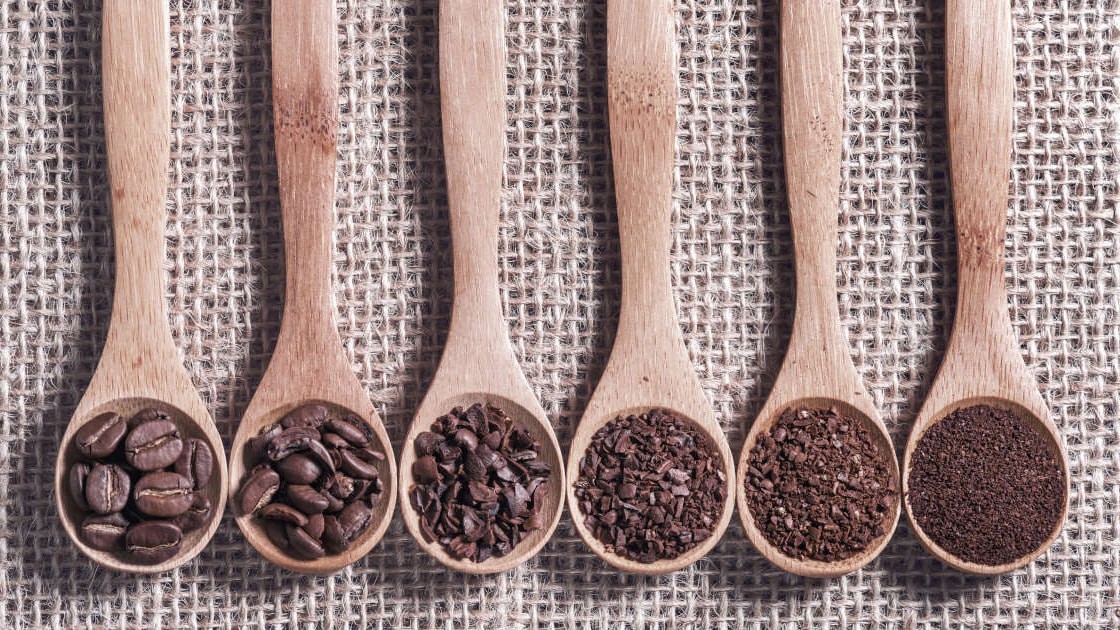
For grinding I use a 1Zpresso K-Max, which makes short work of beans for one or two cups. I grind at 6.5 for the Switch and move a step up or down depending on the coffee.
If you grind for the whole family, an electric grinder like the Niche Zero or the Fellow Ode will save you a lot of cranking. On a budget, the Baratza Encore does a good job for filter coffee. If you also make espresso, go for the Niche.
Spray your beans before grinding
Mist the beans with a little water before they go into the grinder, manual or electric. It almost completely kills static, so the grounds stop clinging to the grinder walls and the catch cup. One or two sprays for a 21g dose is enough. Baristas call it RDT, the Ross Droplet Technique.
Use an opaque bottle. I started with a small translucent plastic one, and after a few months green growth appeared inside it, which isn’t something you want misted onto your coffee. That green is algae, and algae needs light. A bottle of water sitting on a bright kitchen counter gives it all it needs. A metal bottle lets no light in at all. I’d go for small aluminium fine-mist sprayers like these 50ml ones, which come in a pack of five, so there’s always a clean spare.
The bottle only solves the light. Bacteria will still grow in water that sits for months, so keep the volume small. Fill it a third of the way with filtered water, tip out what’s left every week or two, and let it dry upside down before refilling, rather than topping it up.
Step 1: Prepare the dripper
Put a paper filter in the dripper, folding the crimped seam first so it sits flat against the walls. With the switch open, rinse the filter with hot water. This removes the paper taste and warms the server. Throw the rinse water away.
Step 2: First pour, switch open
Add the ground coffee, put everything on the scale and tare it. Start the timer and pour 160ml, half the total water, with the switch open. Start in the center, spiral out towards the edge and back to the center. This open phase pulls out the brightness and fruit.
Step 3: Second pour, switch closed
At 45 seconds, close the switch. Pour the remaining 160ml with the same circular motion so all the grounds get agitated. Let it steep until the timer reads 2:00.
Step 4: Draw down
At 2:00, open the switch and let the coffee drain. Drawdown should take 30 seconds to a minute depending on batch size, with a steady, even stream. If it runs through faster, grind finer next time. If it’s slower, go coarser.
Ratio, roast and grinder
1:15 is a good starting point, especially with an entry-level grinder. With a better grinder like the K-Max you can open it up to 1:16 or 1:17 and still get a full-flavored cup, because a more even grind extracts more without turning bitter.
Lighter roasts are denser and harder to extract. For those I go to 1:16 (20g of coffee for the same 320ml), grind a notch finer and push the water up to about 96°C. Darker roasts go the other way: coarser, and cooler water around 88-90°C to keep bitterness down.
The cup you’re aiming for has the acidity and sparkle of a pour-over with the rounder body you get from immersion. It’s my everyday brew.
Alternative: full immersion
For a simpler, more forgiving cup, close the switch before you start. Pour 240ml of water at about 93°C, give it a gentle stir so all the grounds are wet, and wait 30 seconds. Pour the remaining 80ml and let it steep for another 1.5 to 2 minutes, then open the switch and let it drain. Longer steeps give a stronger, heavier cup.
Tips
- Use beans roasted in the last few weeks and grind just before brewing.
- Change one variable at a time, usually grind size first, so you know what made the difference.
- A longer steep extracts more and makes a stronger cup. A shorter one gives a lighter cup.
- Pour from a kettle that holds its temperature, so the second pour is as hot as the first.
Cleaning
All parts of the Switch come apart for cleaning, and they’re heat resistant: the switch to 100°C, the server and glass bowl to 120°C and the silicone base to 180°C.
Related






Spraying the beans before grinding is a trick I wish I had learned years ago; static was the most annoying part of my morning routine. Closing the valve at 45 seconds for the second half of the water is an interesting way to get pour-over brightness and immersion body in one cup. Do you keep the 1:15 ratio when you switch to lighter roasts, or do you open it up to 1:16 with the K-Max?
With the K-Max I open it up. For light roasts I go 1:16, which means 20g for the same 320ml, grind a notch finer than 6.5 and push the water to about 96°C. Light beans are denser and harder to extract, so they need the extra help. The two 160ml pours and the 45-second switch stay the same.