On October 9 I wrote that commerce will consolidate around one winner the way publishing did around WordPress, and that WooCommerce will end up where Drupal and Joomla did. Eighteen days later, Katie Keith, founder and CEO of Barn2, published an analysis of self-hosted ecommerce platforms that lands in the same place. Barn2 sells WooCommerce plugins. Its own CEO is telling the WooCommerce world that Shopify is taking its share, and she has the data to show it.
I’ve been saying for a while that a new store should start on Shopify. This time the argument comes from the other side of the table.
What the Data Shows
Every figure Keith uses comes from HTTP Archive, comparing August 2023 with August 2026. Over the full three years WooCommerce’s share of the web is up 3.4%, which makes it one of only two self-hosted platforms that grew. The turn is recent. Inside the last twelve months:
- WooCommerce lost 7.9% of its share of the web.
- Shopify gained 18% share.
- The median self-hosted platform dropped 16.4%, the median hosted one 3.4%. Self-hosted platforms fell about five times faster.
- Wix lost 12.3% and Squarespace was flat.
Zoom out to three years and the rest of the self-hosted field looks worse. 27 of the 29 self-hosted platforms in the data lost share. Magento is down 29.8%, Shopware 46.5%, Drupal 23.2%, Joomla 35.8%, PrestaShop 20.9%. Shopify added 129,820 detected sites over the period, while the 27 self-hosted platforms that lost ground gave up 63,996 between them. Shopify gained roughly twice what the whole group lost.
Keith points out that WooCommerce is shrinking at roughly half the rate of the other self-hosted platforms, and I read that as the argument for WooCommerce at its strongest. Her data also holds a second detail. WooCommerce’s share of WordPress sites rose from 18.75% to 20.43% over the three years, while WordPress itself lost 5.0% of the web. WooCommerce’s growth depends on the size of the WordPress base, and I covered the pressure on that base in WordPress isn’t dying, it stopped being the default.
The ratio depends on where you look. Across the whole web, WooCommerce still leads Shopify 1.4 to 1, because it powers a long tail of small shops. Among the biggest 100,000 sites, Shopify leads 4.7 to 1. The biggest sites have mostly chosen already, and the long tail is where WooCommerce’s remaining lead sits. That tail doesn’t get replenished unless new small shops keep choosing WooCommerce, and the twelve-month numbers say fewer of them are.
My own numbers point the same way. In the HTTP Archive May crawl, WooCommerce sat on 6.8% fewer sites than a year earlier and Shopify on 11.7% more. That’s a different crawl window from Barn2’s, so I’m not blending the two into one figure. The two sets of numbers agree.
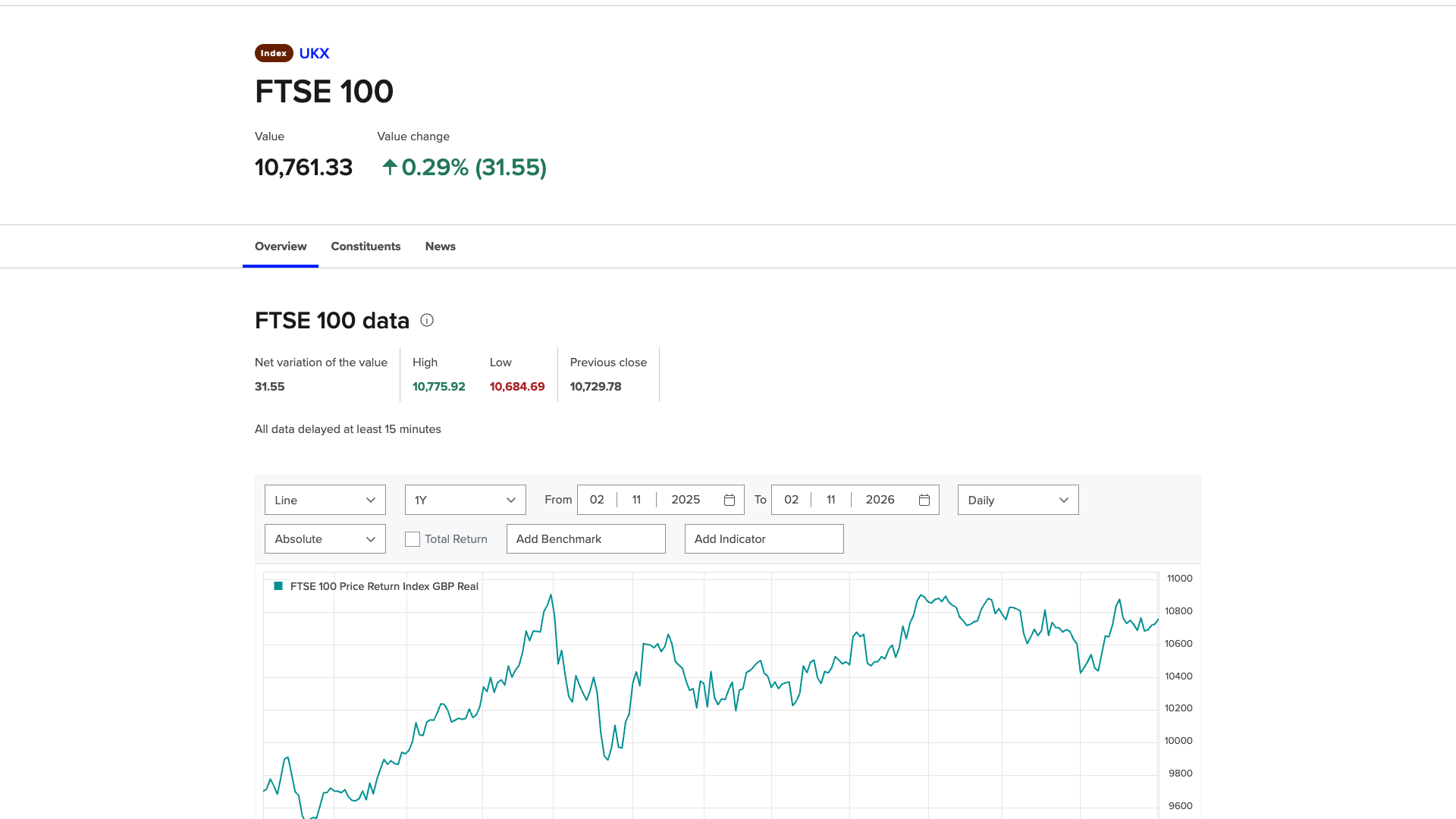
W3Techs publishes a third reading, with its full history public. Since January 2022, WordPress has fallen from 65.2% of sites with a known CMS to 58.2%, while Shopify went from 6.6% to 7.9% and Wix more than doubled, from 2.9% to 6.1%. WooCommerce is on 11.5% of those sites against Shopify’s 7.9%, so it still leads overall. In the top million sites the order flips: Shopify holds 15.7% and WooCommerce 8.9%, nearly twice as much. The figures come from W3Techs’ WooCommerce and Shopify comparison and its CMS market share history, as of November 1, 2026.
What Shopify’s Business Says
Detected sites measure where stores get built. Revenue shows whether the stores that got built are doing business. In its Q2 2026 results, reported August 5, Shopify grew revenue 34% year over year, and GMV, revenue, gross profit and free cash flow each grew more than 30%. The 10-Q puts Q2 GMV at $115.6 billion, up from $87.8 billion a year earlier. The company guided Q3 revenue growth to the low thirties.
Shopify is growing both the number of stores built on it and the volume those stores sell. Every merchant who succeeds on the platform is a reference for the next one.
Why Shopify Is Winning
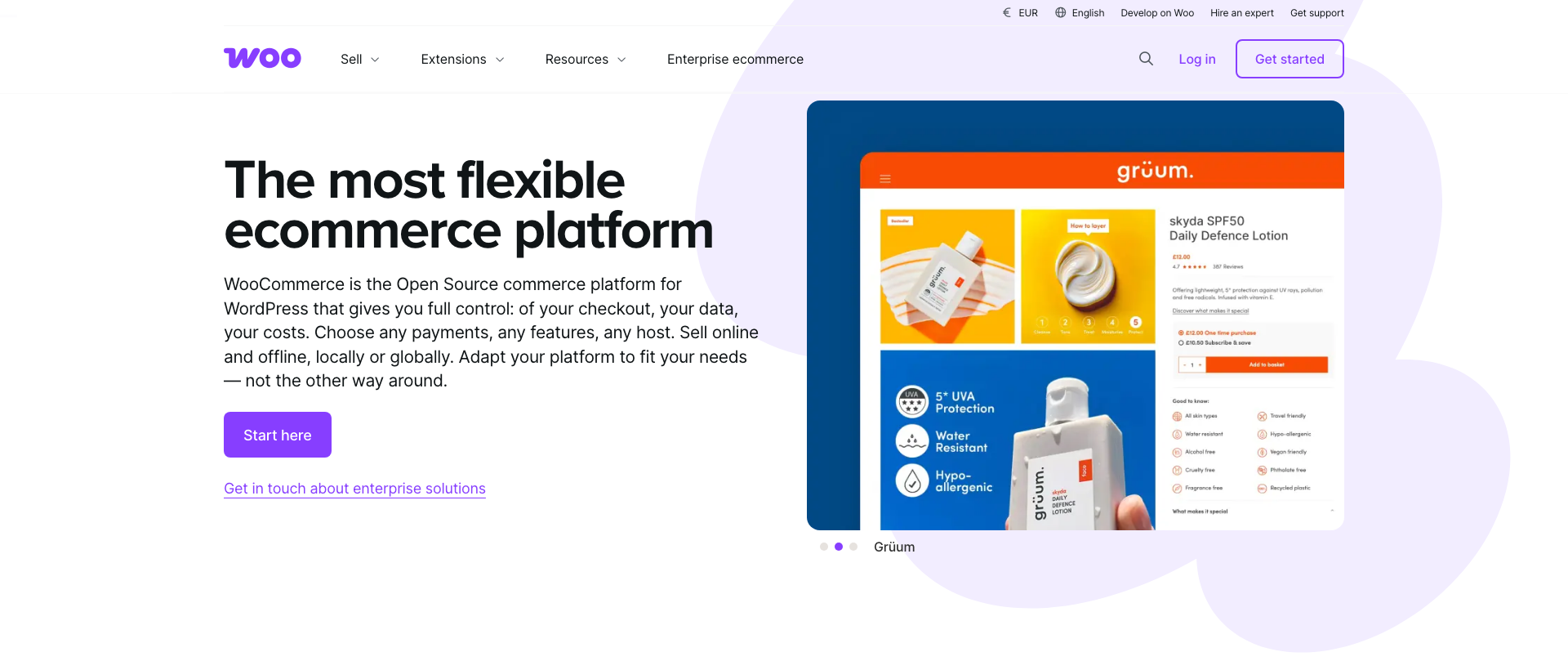
Keith puts the cause down to onboarding, and I agree with her. Shopify’s “Start for free” asks for an email address and drops you into store setup. WooCommerce’s get-started path first asks you to pick one of three options, then a hosting provider, before you’ve seen the product do anything. Someone opening their first shop hasn’t committed to either platform at that point. One of them has already put a working store in front of them. She sums it up this way: self-hosting has become a choice you make for a reason, rather than the default way to build a store. She says self-hosted platforms need to make the first ten minutes as easy as Shopify’s, possibly by releasing a hosted version of their own.
The friction doesn’t end after the first ten minutes. Shopify owns the path from storefront to checkout to payment, so one company answers when something in that chain breaks. A WooCommerce store is an assembly: a host, a theme, a payment gateway and a set of plugins from different vendors, each with its own update cycle and its own support queue. The assembly is where WooCommerce’s flexibility comes from, and it leaves the merchant as the integrator. For someone opening a shop, it’s a stack of decisions before the first sale, followed by a maintenance calendar.
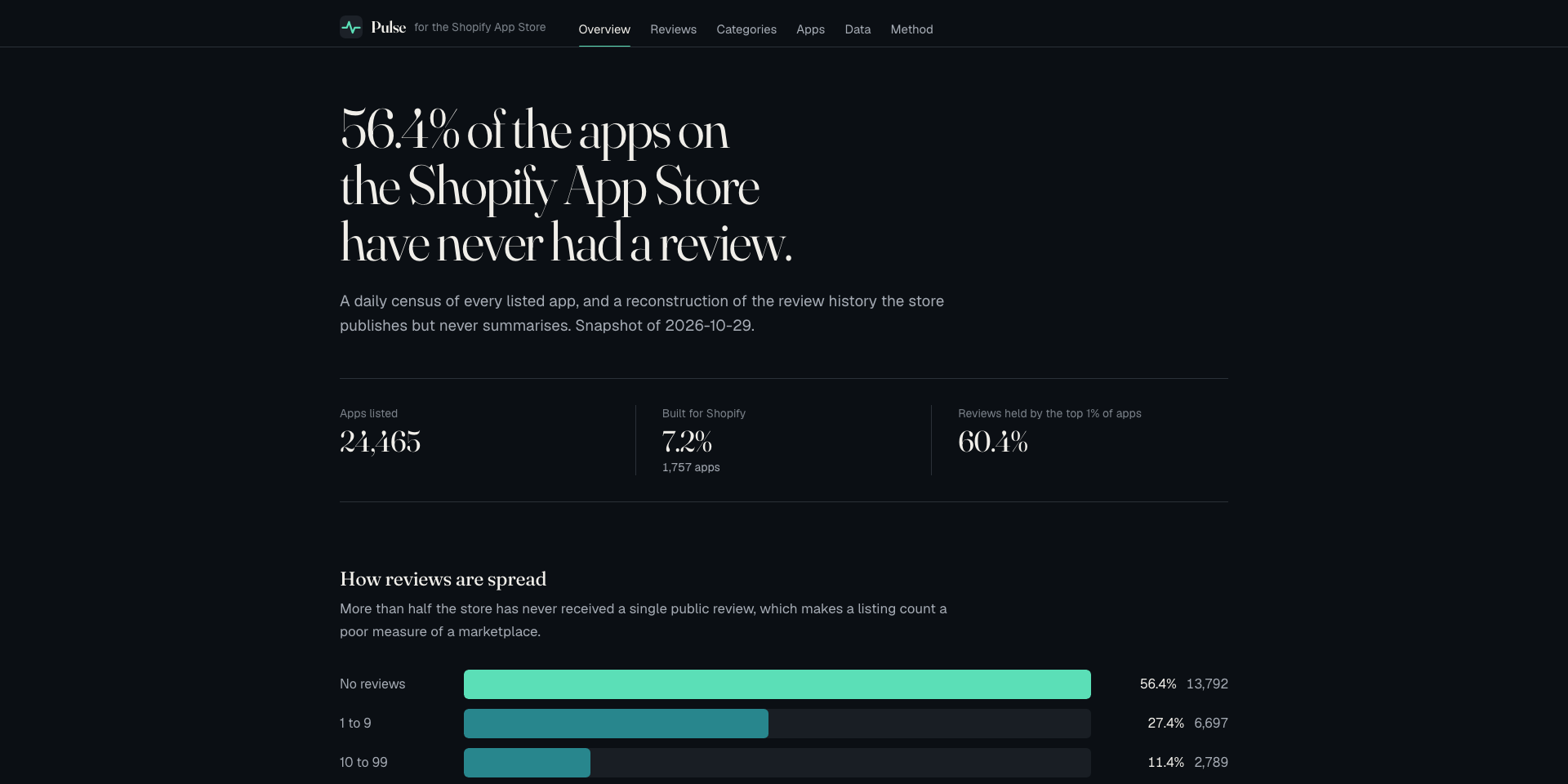
Underneath both sits the question of who gets paid. In August I crawled both app stores. They looked alike on listings with no reviews and on breakout hits, so the supply of forgotten apps and runaway successes is similar on each side. The gap that mattered was billing. Shopify bills merchants on the developer’s behalf. WordPress never built a way for plugin makers to get paid. I’ve since kept crawling the Shopify side daily: the October 29 snapshot lists 24,465 apps, and the top 1% of them hold 60.4% of all reviews, which I wrote up in my piece on Shopify app store reviews. Developers build where they get paid.
Over time that decides which platform has the better apps, and the better apps decide which platform a new merchant picks. Every app that lands on Shopify instead of WordPress makes the store a little harder to leave.
When WooCommerce Still Wins
Keith expects self-hosted commerce to settle into a smaller, durable niche for people who want infrastructure control, data ownership, custom features, unusual products, or open source principles. I agree with that list, and each item describes a real buyer.
Control of the infrastructure is the first case. If you need to choose where the store runs, how it’s cached, which jurisdiction holds the servers and what it connects to, a platform you host gives you that. Shopify gives you a very good store inside its walls.
Owning your customer data is the second. On WooCommerce the orders and customer records live in your own database. You can query them, join them against anything else, and build reporting or automation straight off your own tables.
Unusual products are the third. If what you sell needs pricing logic, configuration steps or fulfillment rules that no app covers, WooCommerce gives you code you can change. A custom product builder or a quoting flow is easier to write when the whole platform is open to you, and you can write the missing piece yourself or pay someone to.
A content site that adds a shop is the fourth. If WordPress already runs your publication, your editors live in it, and the store is a section of the site, adding WooCommerce keeps one system, one login and one theme. Membership and digital products belong here too. Gated content, subscriptions tied to user accounts and downloads sit naturally beside the rest of a WordPress site.
If you run a WooCommerce store today and it works, stay. Moving a live store costs real effort, and the data describes where new stores go. It says nothing about the store you already have. The long tail where WooCommerce leads 1.4 to 1 is made of businesses like yours.
Where AI Changes the Equation
One reader comment under Keith’s article predicts that AI will provision the hosting behind the scenes, so a merchant won’t notice they’re self-hosting. That’s the place to watch. Her diagnosis is onboarding friction, and onboarding friction is exactly what AI tooling removes fastest. If an agent can stand up a WooCommerce store with hosting, theme and gateway configured in the time it takes to answer three questions, the first-ten-minutes gap closes.
The same shift cuts the other way. AI builders already make a custom store front end cheap, and a Shopify back end handles the parts that break. The headless Shopify route gets easier as the build cost falls, so WooCommerce’s flexibility argument loses ground at the same time its onboarding problem shrinks. I don’t know which effect wins. I’d put my money on Shopify, which has the revenue growth to fund the tooling itself.
What I’d Do for a New Store
My decision rule has one question: is the thing you’re building a store, or something else that happens to sell products? If it’s a store, I choose Shopify and need a specific reason to choose anything else. The specific reasons are the ones above: you need infrastructure control, you want your own database as the source of truth, your product logic doesn’t fit any app, or a WordPress content site is already the center of the business.
For everything else the answer comes from the rest of my build map. A blog or brochure site gets Astro. Something heavily custom gets an AI build. A site whose content a non-technical person edits gets WordPress. I laid out the reasoning in the build map for WordPress, Astro, Next and Laravel, and the store line is the shortest entry in it: a store? Shopify.
If none of the WooCommerce cases describes you, the time you’d spend on hosting, plugin choices and updates is time you could spend selling. You’d be paying the onboarding friction Keith describes in return for control you won’t use.
My prediction is that WooCommerce becomes what Drupal and Joomla became after WordPress took over publishing: capable software with loyal users and a shrinking share of new projects. Commerce is running the same play a few years behind, with Shopify in the role WordPress had. Barn2’s data is a sign from inside the WooCommerce world that the shrinking has begun.
For disclosure, I’ve been buying Shopify stock for years. None of this is investment advice.
A new store should start on Shopify, and WooCommerce should be a choice you make for a reason you can name.
Related






Leave a Reply