Jean Galea

Health, Wealth, Relationships, Wisdom

  • Start Here
  • Guides
    • Beginner?s Guide to Investing
    • Cryptocurrencies
    • Stocks
    • P2P Lending
    • Real Estate
    • Forex
    • CFD Trading
    • Start and Monetize a Blog
  • My Story
  • Blog
    • Cryptoassets
    • P2P Lending
    • Real estate
  • Consultancy
    • Consult with Jean
    • Consult a Lawyer on Taxation and Corporate Setups
    • AI Consultancy for Business
  • Podcast
  • Search

Best Health Insurance Options in Spain for Expats

Last updated: March 22, 20252 Comments

If you are an expat in Spain and you’re looking for private health insurance, there are three major players worth seriously considering: Sanitas, AXA, and Adeslas. Each offers unique strengths depending on your priorities—be it global flexibility, national coverage, or doctor freedom.

Let’s take a look at all three so you can make an informed choice.

Sanitas – Established, Tech-Forward, and Strong for Preventive Care

Sanitas is one of the oldest and best-known private health insurers in Spain, founded in 1954 and now part of the BUPA group. They’re a popular choice among both Spaniards and expats, with nearly 2 million members and a strong focus on innovation in healthcare.

In my experience, Sanitas stands out for its emphasis on preventive care. If you’re someone who likes doing regular checkups, bloodwork, scans, and tracking your health even when you’re not sick, Sanitas won’t get in your way. They actively support proactive health management and have some of the most developed digital tools for booking appointments, managing claims, and accessing test results.

Sanitas plans include access to a network of over 500 private clinics and 27,000 medical professionals. You can also opt for their reimbursement-based plans like Mas Salud or International Residents, which allow you to visit doctors and clinics outside their network and get up to 90% reimbursed. International coverage is solid with these premium plans, which is ideal if you split time between countries or want a safety net while traveling.

A major caveat, however, is that Sanitas also owns many of the clinics and hospitals in its network. This vertical integration can lead to financial incentives that drive higher volumes of consultations and tests. It’s something I’ve personally experienced—being sent for a barrage of diagnostics that didn’t necessarily lead to better care. More on that below.

Recommended Plan: Sanitas MAS 90.000

One particularly strong plan to consider is Sanitas Más 90.000. It combines the convenience of Sanitas’ extensive Spanish network with generous reimbursement—up to 90% for consultations, diagnostics, and hospital care both inside and outside their network. It’s a solid choice if you want the option to see high-end specialists in Barcelona or elsewhere in Spain, as well as occasional visits abroad. The plan also includes worldwide emergency coverage up to €10,000, making it a good hybrid for people who don’t travel constantly but want peace of mind when they do.

This tier is also compatible with their slick digital infrastructure—allowing you to book, manage, and track appointments and reimbursements through their app. If you’re used to tech-forward service and want premium support without going all the way to a full international policy, Sanitas Más 90.000 offers a smart middle ground.

AXA – Maximum Freedom and Strong International Focus

AXA is a great option for those who want to keep full control over who they see, where they get treated, and what country they’re in when it happens. Their Óptima Plus plan is one of the few that truly allows global freedom, reimbursing up to 90% for private care, even outside Spain.

The stand-out feature here is the flexibility: you’re not limited to a network. You can see any doctor or specialist, whether they’re affiliated with AXA or not. This makes AXA particularly appealing if you already have trusted medical contacts, travel often, or simply don’t want your healthcare choices limited by administrative restrictions.

AXA doesn’t run its own hospitals or clinics, which means it acts purely as an insurer. This can reduce conflicts of interest—doctors are not pressured to push services or treatments based on internal billing incentives. The company has a strong reputation for professionalism and transparent communication, though I’d recommend working with a knowledgeable broker to help you navigate the claim and reimbursement processes efficiently.

In cities like Barcelona, AXA also has partnerships with a wide array of clinics and specialists, and while you’re not locked into their network, the existing relationships often make it easier to arrange high-quality care quickly.

AXA does not offer an international medical policy, but all of its health insurance products include emergency services abroad up to €15,000 for medical expenses, repatriation, pharmaceuticals, etc. This coverage is only available if the stay outside Spain does not exceed 60 days.

Recommended Plan: AXA Óptima Plus – True Global Freedom

If you want zero limitations on where you go for treatment, AXA’s Óptima Plus plan is probably the gold standard in Spain. With this plan, you’re not confined to any specific network—you can go to any doctor or clinic in Spain or abroad, and AXA will reimburse up to 90% of your medical expenses.

It’s especially useful if you’re the kind of person who likes getting second opinions or wants access to specialists at top-tier clinics without jumping through hoops.

You’ll usually pay upfront and submit for reimbursement—a bit of admin, yes, but worth it for the peace of mind.

Adeslas – Massive Network and Solid Reimbursement Inside Spain

Adeslas is Spain’s largest private health insurer by membership, and that scale brings certain advantages—especially if you plan to stay mostly within Spain. Their Plena Extra plan includes a broad provider network and also offers up to 80-90% reimbursement for out-of-network care within the country.

Adeslas doesn’t focus as heavily on international coverage as AXA or the top-tier Sanitas plans, but for care within Spain, they are hard to beat. They have an especially strong presence in Catalonia and Barcelona, with excellent coverage for everyday medical needs, dental care, and diagnostics.

The app and digital services aren’t quite as slick as Sanitas’, but they’re functional and reliable. Many clinics are well-integrated with their system, so administrative friction is relatively low.

If you’re mostly staying within Spain and want the ability to consult top doctors even if they’re not listed in the network, Adeslas gives you flexibility at a very competitive price. It’s a good middle ground between affordability and freedom.

Recommended Plan: Adeslas Plena Extra – A Solid Local Option with Flexibility

Adeslas, Spain’s biggest health insurer, offers the Plena Extra plan, which lets you use providers both inside and outside their network. While the international coverage isn’t as strong as AXA’s, they offer reimbursement of up to 80-90% for services outside their network within Spain.

If you primarily stay in Spain and want access to top clinics and doctors even if they’re not on the official list, Adeslas is a compelling choice.

Be Wary of Incentivized Care

One downside I experienced with Sanitas is something that could easily go unnoticed until you’re in a more complicated medical situation. Since Sanitas owns many of its own clinics and facilities, they don’t just make money from your insurance premium—they also profit from every test, consultation, or scan you undergo.

Here’s how it works: Sanitas operates under a vertically integrated model. That means the insurer and the healthcare provider are often the same entity. So when you go in for an MRI or a specialist consultation, you’re not paying out-of-pocket—but the “insurance arm” of Sanitas still pays the “clinic arm” of Sanitas. It’s an internal transaction, but it registers as revenue for the group. Multiply this across millions of members and you can see how volume of care can quickly become a profit engine.

Why would they do this? Because even though you’re not being charged directly, Sanitas records each service as income on the provider side. This boosts their overall revenue numbers, which matters for multiple reasons: internal performance metrics, executive bonuses, and even external investor perception if they ever go public or report to a parent company (like BUPA). More services, more revenue, better financial optics.

What’s more, this system creates pressure at the doctor level too. In Sanitas-run clinics, doctors are often incentivised based on how many patients they see—not necessarily how well they treat each case. The more appointments they can fit into a day, the more they are rewarded. This can lead to rushed consultations, little time for in-depth discussion, and a general pressure to move quickly. Personalised care can take a backseat to volume.

Now consider how differently it works when you visit a doctor outside the insurance system altogether—someone who is paid directly by you, who has no contract with any insurer, and who isn’t being timed or tracked for throughput. They usually take the time to understand the full context of your issue, because their incentive is your satisfaction and results—not volume.

In my case, a slightly complex health issue led to a barrage of appointments and diagnostics that felt more like protocol-driven box-checking than thoughtful care. It started to feel like I was being managed by a system optimised for throughput rather than results.

That’s why I now strongly lean toward reimbursement-based plans. They give you the freedom to consult independent doctors who aren’t financially tied to your insurer and may be more focused on getting to the root of your issue efficiently, not just running through a checklist.

And here’s another thing to keep in mind: if you’re visiting a Sanitas-owned clinic but you’re insured by another company (say, AXA or DKV), you’re not as valuable a patient from their internal accounting perspective. The clinic gets reimbursed at a fixed rate, often less profitable than seeing their own insured members. That means in some cases, priority or appointment availability could subtly favor Sanitas-insured patients. It’s not necessarily malicious—just economics.

Bottom line: If budget allows, go for full reimbursement plans with international coverage. SANITAS, AXA, and Adeslas all offer this flexibility, and it can make a huge difference when you need it most.

Public Health System

Depending on whether you’re employed in some form and contributing to social security, you might also be entitled to make use of the public health system in Spain. I’ve found it to be very good, particularly for major interventions and long-term care.

However, there are a couple of things to be aware of. Appointments in the public system are often extremely brief—around 7 minutes per consultation. This can be frustrating if you have something nuanced or more complex to explain. And for anything that’s not considered urgent, you may end up on a waiting list. These lists can be long, especially for surgeries or specialist visits. So if timing is critical, you might find yourself waiting longer than you’d like.

Personally, while I think the public system is excellent for what it offers, I still prefer to have private insurance alongside it. It’s surprisingly affordable in Spain and ensures you can get quick access to diagnostics, specialists, and second opinions without delays. That said, for specific types of care—like childbirth—the public system can actually be the better option.

A Note on Pregnancy and Childbirth

While private health insurance has many advantages, one area where I would strongly recommend using the public health system in Spain is pregnancy and childbirth.

Everything in the private sector is driven by efficiency and profit—and that directly affects how childbirth is handled. Private hospitals often operate under time constraints and financial incentives that can work against the mother’s wishes. For example, they are typically reimbursed more for a cesarean section than for a natural birth. That means as soon as a delivery slows down or strays from the standard timeline, there’s a real risk that the medical team will start nudging toward a cesarean—not necessarily because it’s needed, but because it’s faster, more predictable, and better for their bottom line.

In contrast, Spain’s public hospitals are much more respectful of the mother’s birth plan and tend to work with a more holistic, patient-centered approach. One standout example is Sant Joan de Déu in Barcelona, which is known for its exceptional maternity care. They do everything possible to support natural birth and honor the mother’s preferences throughout the process. The staff are used to working with diverse families and international parents, and the environment feels far more supportive and empowering than many of the private clinics I’ve encountered.

So even if you’re fully covered with private insurance, I’d recommend considering the public system for this stage of life. It might take a little more planning in terms of paperwork and waiting lists, but when it comes to something as important and sensitive as childbirth, the public system in Spain can actually offer a more human, respectful experience.

My Recommendations

Always choose plans with no co-payments and coverage beyond the insurer’s own network. It might cost a little more monthly, but it frees you from the stress of wondering what’s covered and what’s not when something serious comes up. You want to be able to see the best doctors, in the best clinics, anywhere you happen to be—no compromises.

I’ve personally found that while SANITAS is good, the financial incentives of private healthcare mean you sometimes get pushed into unnecessary appointments or tests. Having the freedom to seek second opinions or alternative treatment paths—especially internationally—is invaluable.

I will be switching to AXA and will report back here about my experience with them. Most of my friends are with one of these three insurers, so I feel comfortable recommending the three of them.

Filed under: Expat life

When and How to Use Two Factor Authentication

Last updated: April 02, 20247 Comments

Two-factor authentication or 2FA is a way of making your logins more secure, by not only requiring a username and password when signing in, but also a special extra code that can either be received as an SMS or else generated by an app or device.

Most of you will already have used 2FA, perhaps without knowing so, when you log in to your internet banking. Most banks give out a 2FA device or card which stores some codes you are required to enter when logging in. This ensures that if someone guesses or cracks your password, they still won’t be able to login unless they are also successful in robbing your physical 2FA device.

I would use 2FA whenever it is possible, but I especially highly suggest using it on websites that contain sensitive information that can be used by a hacker to damage you or steal assets.

Here are a few popular sites to use 2FA on:

    • Social media (Instagram, Facebook, Twitter etc)
    • Crypto exchanges (Binance etc)
    • Amazon and other e-commerce sites that you use frequently.
    • Dropbox and similar platforms storing your files.
    • Email accounts (Gmail etc)

For a bigger list check out this site.

How to do 2FA

SMS is one of the most popular but least secure ways of doing 2FA, as sim swap attacks have become popular in recent years. It is highly encouraged to use an app or hardware device for 2FA when possible.

I like the Google Authenticator app and have used it for 2FA purposes. Another popular app is Authy, and it’s probably a better app than Google Authenticator in many ways, including the ability to use it on a desktop as well as being able to set it up on multiple devices.

There are also hardware devices that can be used for 2FA. Probably the most popular one is the Yubikey, while other competitors are Google Titan and Nitrokey.

If you are using the 1Password software, an even easier way to do 2FA is to replace Google Authenticator/Authy/Yubikey with 1Password itself. It has the ability to generate one-time passwords for 2FA purposes. If you wish, you can use both apps at the same time and see which one you like best, they will generate the same number so they are interchangeable.

Now it must be mentioned that using 1Password is less secure than using a hardware device or even an app like Authy or Google Authenticator. The reason is that if someone gets into possession of one of your devices and manages to enter your 1Password vaults using your main password (by guessing or other means of social hacking), they will not only have access to your usernames and passwords, but also to the 2FA codes. Then again, if you’re using a device for 2FA but you’re storing the backup words on 1Password, as many undoubtedly do, you will still run into this attack vector.

Here’s a website that serves as a guide to setting up 2FA on the most popular platforms and websites.

Filed under: Tech

The Best Discount and Deals Websites in Spain

Last updated: March 11, 20265 Comments

If you’re living in Spain you are spoilt for choice when it comes to deals and discounts websites. We have a wealth of choice for getting great prices on travel, house decor, experiences, clothes and much more. Let’s have a look at my favorite websites.

Privalia


Privalia is an online fashion outlet, with daily flash sales as well as other longer-term offers. They also have home & decor sections and the quality is generally good. They might have limited sizes available, but that’s just about the only downside. The delivery cost is a standard €6.95, but many offers include free or cheaper delivery options. Returns are also €6.95, and the items are picked up right on your doorstep. You have 14 days to return the products for any reason.

Shop for discounted fashion on Privalia

Zalando

While not really a pure discount store, Zalando is our favorite online fashion store. The fact that they offer free delivery and free returns is really awesome and takes away most of the hassle with shopping for fashion. Delivery is right to your door as is the collection service for any returns. This site also has an extensive offers section, which is why I’m listing it here together with the other discount websites.

Check out Zalando, with free delivery and returns

Groupon

You will find a very wide array of choices here. Do remember that if an offer seems too good to be true, there’s probably a catch. For example, a photography studio might offer a €19 photography session, but at the end, they will tell you that you have to pay another €40 in order to choose your own photos. I recommend sticking to the offers that don’t involve a 1-1 interaction; in that way you are minimizing the risks of being served differently from others who are paying the full price. Some examples of the offers that you can find here:

  • Gastronomy
  • Experiences (balloon flights, horse riding etc)
  • Car and motorcycle maintenance and servicing
  • Health and fitness tests
  • Home decoration
  • Services and tuition (diving courses, pet sterilization etc)
  • Products (juicers, furniture etc)
  • Travel

Before you buy anything, always do a quick search in Google and check the reviews. If you suspect that the original price and discount appear to be inflated, phone the service provider and ask for prices directly, that way you will identify and fake prices on the Groupon site.

Here are some other sites to consider…

  1. LetsBonus.com: Focused on offering the best local deals, LetsBonus provides discounts on restaurants, beauty treatments, and leisure activities. The website’s simple interface allows you to browse offers by city and category, making it easy to find the perfect deal for your needs.
  2. Offerum.com: Another popular deals website in Spain, Offerum.com features discounts on a wide range of products and services, including travel, dining, and shopping. With daily updates and time-limited offers, you’ll want to check back often to make sure you don’t miss out on a fantastic deal.
  3. Groupalia.com: Combining deals on local experiences with discounted shopping, Groupalia offers a unique mix of opportunities to save money. From weekend getaways and dining experiences to electronics and fashion, this website caters to a broad range of interests.
  4. Atrapalo.com: Specializing in travel and leisure deals, Atrapalo.com is the perfect website for those looking to save on their next adventure. With discounts on flights, hotels, car rentals, and activities, you can plan an unforgettable trip without breaking the bank.
  5. BuyVip.com: Owned by Amazon, BuyVip is another members-only shopping club that offers exclusive deals on a wide range of products, from fashion and accessories to electronics and home goods. With the backing of Amazon, you can trust the quality and authenticity of the items on offer.
  6. Restalo.es: If you’re a foodie looking for great deals on dining experiences, Restalo.es is the website for you. Featuring discounts and special offers for restaurants across Spain, this platform makes it easy to discover new eateries and save money while enjoying a delicious meal.

With so many fantastic deals and discounts available in Spain, you’ll never have to pay full price again. By exploring these top websites, you can save money on everything from travel and dining to shopping and local experiences. Make sure to bookmark your favorite sites and check back regularly for the latest offers, and enjoy the best of Spain without breaking the bank.

Do you have any other favorite discount and deals websites that are available to Spanish residents? Let me know in the comments section.

Filed under: Expat life

Buying Food in Spain – Supermarkets vs Local Markets and Specialized Stores

Last updated: March 15, 20224 Comments

In Spain, you have many options for buying food, but as you can imagine, there are significant differences between the options. Let’s have a look at these sources.

First up, you have the traditional supermarkets. The Spanish market is dominated by a few big supermarket chains:

  1. Mercadona
  2. Dia
  3. Carrefour

The closest version to an organic food store chain in Spain is Veritas, which is a very limited version of Whole Foods in the USA.

You then have the local markets. You’ll find several within the cities and usually bigger ones outside the city.

The cheapest prices are to be found at the supermarkets or local markets outside of the cities. You’ll have to drive to these markets typically as they are not so easily accessible by public transport.

Another option is neighbor cooperatives as they are called. Basically, a number of neighbors will group up and order products directly from the suppliers. These suppliers will then come once a week and deliver the products to one point after which they are distributed amongst the neighbor community.

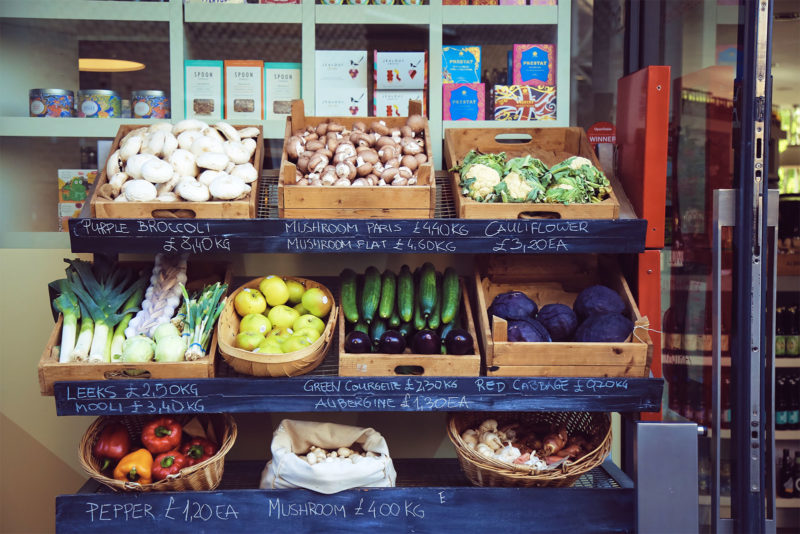
I’ve found the prices in the markets found within the city to be significantly higher than those in the supermarkets, even though the produce is sometimes identical (for example imported bananas of the same brand). On the other hand, I prefer buying fish and meat from the local market or meat/fish shop rather than from the supermarkets.

Some good organic stores I’ve found:

  • Ametller Origen
  • Organic Market

You need to be very careful about the marketing companies use. Here’s something I recently discovered about eggs, for example. Here in Spain eggs are marked within a range of 0-3, with 0 being the most organic type of eggs, and 3 being the least.

Now consider this package of eggs:

What would you think about these eggs, that they are the most perfectly organic eggs right?

Turns out that when I opened the package the eggs themselves are marked with the code number 2, which means that they are from hens that have been brought up in warehouses and have never actually been outside. That’s a very far cry from what the package implies and even specifically says. I’m not sure how manufacturers are allowed to get away by this false advertising, but it sure goes to prove how careful we need to be when making our food purchases.

I’m still learning about how to find the best sources for healthy and organic produce, so if you have any insight I’d love to hear from you.

Filed under: Expat life

The Best European P2P Lending Platforms in 2026

Last updated: March 12, 202694 Comments

Best European P2P lending platforms

I’ve been investing in P2P lending since 2016. Over that time I’ve put real money into more than a dozen platforms, watched several fail, and seen others grow into properly regulated businesses that now manage hundreds of millions in investor assets.

The market looks very different in 2026 than it did when I started. Four platforms now hold MiFID II investment firm licenses, the strongest financial regulation available for this asset class in Europe. Several more operate under the EU’s ECSP crowdfunding framework. The platforms that survived the pandemic, the war in Ukraine, and the interest rate shock of 2022-2023 have proven something about their operational resilience.

Below are the platforms I currently consider the best options for European investors. I’ve invested in most of them personally. This is not a list of every platform that exists — I also maintain a list of platforms I’d avoid.

Best P2P Lending Platforms in Europe — March 2026

  1. Mintos — read my review
  2. Nectaro — highest rated by the re:think P2P community
  3. PeerBerry — read my review
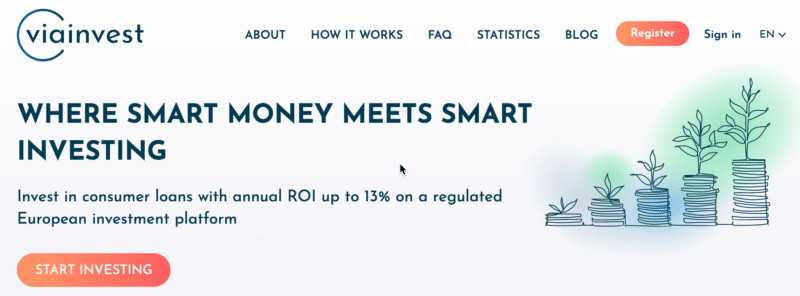
  4. ViaInvest — read my review
  5. Debitum — read my review
  6. InRento — read my review
  7. Afranga — ECSP licensed, zero defaults
  8. Swaper — read my review
  9. RoboCash — read my review
  10. LANDE — read my review
  11. Hive5 — read my review
  12. Bondora — read my review

Quick Comparison

Platform Score Regulation Returns Lifetime Volume Founded
Mintos 4.5/5 MiFID II 11-12% EUR 12.3B 2015
Nectaro 4.7/5 MiFID II 13-15% EUR 47M 2022
PeerBerry 4.3/5 Unregulated 10-11% EUR 3.24B 2017
ViaInvest 4.0/5 MiFID II 12-13% EUR 618M 2016
Debitum 4.2/5 MiFID II + ECSP 9-12% EUR 135M 2018
InRento 4.5/5 ECSP 8-10% EUR 80M 2020
Afranga 4.2/5 ECSP 12-14% EUR 89M 2021
Swaper 4.3/5 Unregulated 10-14% EUR 1.01B 2016
RoboCash 4.0/5 Unregulated 8-13% EUR 1.27B 2017
LANDE 4.0/5 ECSP 10-14% EUR 32M 2019
Hive5 4.0/5 Unregulated 12-15% EUR 156M 2022
Bondora 3.5/5 EMI licensed 6% (Go & Grow) EUR 1.9B 2009

Best Platform For…

Category Platform Why
Best Overall Mintos Largest marketplace, MiFID II regulated, 600K+ investors, secondary market
Best Returns Nectaro 14.91% actual returns in 2025, MiFID II licensed, zero defaults
Best for Beginners Bondora Go & Grow offers 6% with daily liquidity — simple, no loan picking
Best Regulated Debitum Holds both MiFID II and ECSP licenses — double regulatory coverage
Best for Real Estate InRento Rental income from actual properties, ECSP licensed, 0% default rate
Best for Business Loans Debitum Exclusive focus on collateralized SME lending across Europe
Best for Agricultural Loans LANDE Unique niche: farmland-secured loans, ECSP, 37% average LTV
Best Track Record PeerBerry Fully repaid EUR 51.4M from war-affected regions — zero losses
Best Hands-Off RoboCash Fully automated investing — set parameters and forget

Let’s look at each platform in detail.

1. Mintos

Mintos P2P lending platform

Regulation MiFID II (Latvijas Banka)
Average Returns 11-12%
Buyback Yes (60 days)
Secondary Market Yes
Auto-Invest Yes
Min. Investment EUR 50
Loan Types Consumer, business, mortgage
Founded 2015

Mintos is the largest P2P lending marketplace in Europe and the platform where I’ve put the most capital over the years. Founded in 2015 in Riga, Latvia, it now counts over 600,000 registered investors and has facilitated more than 12 billion euros in loans across 30+ countries. Monthly origination runs around EUR 97 million, which is several times larger than any competitor.

What sets Mintos apart is its regulatory standing. The platform holds an investment firm license from Latvijas Banka (the Latvian financial regulator) and operates under the MiFID II framework. That gives investors real legal protections, not just a buyback guarantee backed by the word of a small loan originator. In February 2026, Mintos announced it is pursuing a full banking license in Latvia. Returns currently average around 11-12% annually, with loan originators across more than 30 countries and a secondary market where you can exit positions if needed.

Since May 2025, Mintos charges a 0.29% annual fee on Custom Loan Portfolios, and the new High-Yield Bonds Portfolio (launched November 2025) carries a 0.39% annual management fee. The platform also carries EUR 130 million in unresolved defaults from past loan originators, which is why the re:think P2P community gives it a C grade despite its scale. Those defaults are a legacy issue rather than a current trend, but they’re worth noting.

See also: My full Mintos review

Sign up to Mintos

2. Nectaro

Regulation MiFID II (Latvijas Banka)
Average Returns 13-15%
Buyback Yes (60 days)
Secondary Market Yes
Auto-Invest Yes
Min. Investment EUR 10
Loan Types Consumer loans
Founded 2022

Nectaro was the clear standout platform of 2025 and one of the most impressive newcomers in European P2P lending. It holds an investment firm license from Latvijas Banka — the same regulator that supervises Mintos, ViaInvest, and Debitum — making it one of only four MiFID II-licensed P2P platforms in Europe.

The numbers speak for themselves: 14.91% actual returns delivered to investors in 2025, an A- grade from the re:think P2P community (the highest rating of any platform), and zero defaults since launch. Lifetime volume has reached nearly EUR 47 million with investor numbers growing 323% year-on-year. The platform works with loan originators in multiple markets and offers a secondary market for early exits.

What puts Nectaro in the #2 slot is the combination of top-tier regulation with the highest returns of any properly licensed platform. Most MiFID II platforms offer 9-12% — Nectaro delivers nearly 15% under the same regulatory framework. The platform is still relatively young (founded 2022), which is the main caveat. But the trajectory and regulatory standing are exceptionally strong.

Sign up to Nectaro

3. PeerBerry

PeerBerry P2P lending platform

Regulation Unregulated (sister platform Crowdpear holds ECSP)
Average Returns 10-11%
Buyback Yes (60 days)
Secondary Market Yes (launched Jan 2026)
Auto-Invest Yes
Min. Investment EUR 10
Loan Types Consumer, business
Founded 2017

PeerBerry launched in 2017 and has become the second-largest European P2P platform by lifetime volume, with over EUR 3.24 billion in loans funded and more than 110,000 registered investors. Monthly origination runs around EUR 31 million, though volume dropped roughly 47% year-on-year in 2025. That decline is worth monitoring, though it may reflect tighter lending standards rather than underlying problems.

PeerBerry’s most impressive achievement: it was the only P2P platform to fully repay investors affected by loans tied to war-impacted regions, returning all EUR 51.4 million without a single euro under recovery. That kind of follow-through matters when you’re evaluating who to trust with your money. The platform launched a secondary market in January 2026, works with 28 loan originators across 13 countries, and average returns sit around 11%.

PeerBerry is not regulated under MiFID II or ECSP at the platform level, though its sister platform Crowdpear holds an ECSP license. For investors who prioritize scale and track record over regulatory framework, PeerBerry is a strong pick.

See also: My full PeerBerry review

Sign up to PeerBerry

4. ViaInvest

ViaInvest P2P lending platform

Regulation MiFID II (Latvijas Banka)
Average Returns 12-13%
Buyback Yes (30 days)
Secondary Market No
Auto-Invest Yes
Min. Investment EUR 10
Loan Types Short-term consumer
Founded 2016

ViaInvest won the re:think P2P community vote for 2025 with 53.8% of votes, beating out every other European P2P platform. That kind of grassroots endorsement from active investors carries more weight than any marketing claim.

Founded in 2016 in Latvia, ViaInvest holds a MiFID II investment firm license from Latvijas Banka. Over 46,000 investors have used the platform, and lifetime volume sits at EUR 618 million with monthly origination of around EUR 6 million. Returns average around 13%, which is among the highest of any MiFID II regulated platform. The parent company VIA SMS Group has been profitable for multiple years.

ViaInvest focuses primarily on short-term consumer loans (typically 30 days) with a buyback obligation. The combination of proper regulation, strong returns, and a profitable parent company makes it one of the most compelling platforms in the market right now. The re:think P2P community rates it a B grade (11/15).

See also: My full ViaInvest review

Sign up to ViaInvest

5. Debitum

Regulation MiFID II + ECSP (Latvijas Banka)
Average Returns 9-12%
Buyback Yes (90 days)
Secondary Market Yes
Auto-Invest Yes
Min. Investment EUR 10
Loan Types Business (collateralized)
Founded 2018

Debitum (rebranded to Debitum Investments in February 2024) focuses exclusively on business loans: secured, collateralized, and backed by tangible assets. It’s been operating since 2018 and saw strong growth in 2025, with the portfolio nearly doubling to over EUR 53 million and the platform achieving its first year of profitability. Lifetime volume sits at EUR 135 million across 24,000 investors.

Debitum holds both a MiFID II investment firm license and an ECSP license from Latvijas Banka, making it one of the most thoroughly regulated platforms on this list. Returns average 9-12% annually with a 90-day buyback guarantee. There’s a 15% penalty applied to loan originators who delay repayments, which creates a real incentive for originators to stay current.

If you want exposure to SME lending with a proper regulatory backstop, Debitum is worth a close look. The re:think P2P community rates it B+ (12/15), second only to Nectaro.

See also: My full Debitum review

Sign up to Debitum

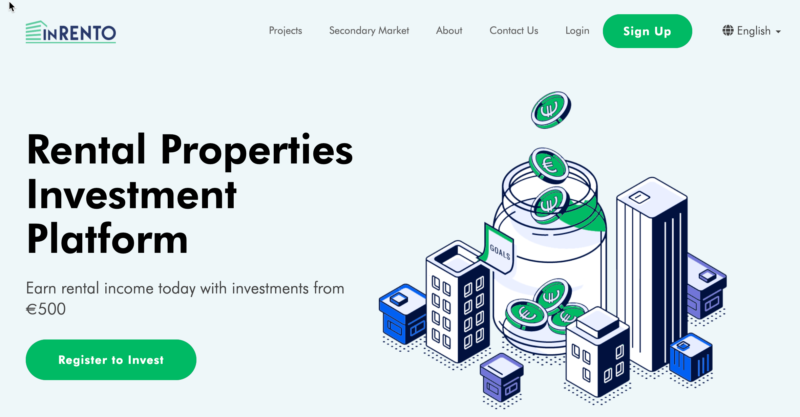
6. InRento

InRento real estate P2P lending

Regulation ECSP (Bank of Lithuania)
Average Returns 8-10%
Buyback No (real estate backed)
Secondary Market Yes
Auto-Invest Yes
Min. Investment EUR 500
Loan Types Real estate (rental income)
Founded 2020

InRento is a real estate rental investment platform that lets you invest in properties generating actual rental income rather than development loans. Founded in 2020 in Lithuania, it holds an ECSP license from the Bank of Lithuania and has funded over EUR 80 million across properties in Lithuania, Latvia, Poland, Ireland, and Spain.

What makes InRento stand out is its 0% default rate. Every project on the platform has paid as expected, which is a genuinely remarkable track record in a sector where real estate platforms have been dropping like flies (EstateGuru, Reinvest24, Bulkestate all collapsed). Returns range from 8-10% annually from rental yields, with some capital appreciation on top. The minimum investment is EUR 500, and investors receive monthly rental income distributions.

The model is fundamentally different from most P2P platforms: instead of short-term consumer loans with buyback guarantees, you’re investing in actual properties with real tenants paying real rent. That’s a different risk profile, and I’d argue a more tangible one. InRento is expanding into new European markets, which should provide more diversification options going forward.

See also: My full InRento review

Sign up to InRento

7. Afranga

Regulation ECSP (Bulgarian FSC)
Average Returns 12-14%
Buyback Yes (60 days)
Secondary Market No
Auto-Invest Yes
Min. Investment EUR 10
Loan Types Consumer loans
Founded 2021

Afranga received its ECSP license from the Bulgarian Financial Supervision Commission in September 2023 and has quickly established itself as one of the better-performing platforms in European P2P lending. The re:think P2P community rates it B+ (12/15), placing it alongside Debitum as one of the highest-rated platforms.

The platform delivered 13.92% actual returns to investors in 2025 with zero reported defaults, and has facilitated over EUR 89 million in funded loans since launching in 2021. Afranga works with Stikcredit as its primary loan originator, which provides consumer loans in Bulgaria. The 60-day buyback obligation covers principal and accrued interest.

One notable advantage: Bulgaria’s withholding tax on P2P income for non-residents is just 10%, and under most double tax treaties this can be reduced or credited against your home country tax. That’s competitive compared to the 20% WHT in Latvia (though Latvia’s treaties allow reduction to 10% for most EU investors too). The platform is still on the smaller side, but the combination of ECSP regulation, strong returns, and zero defaults earns it a spot on this list.

Sign up to Afranga

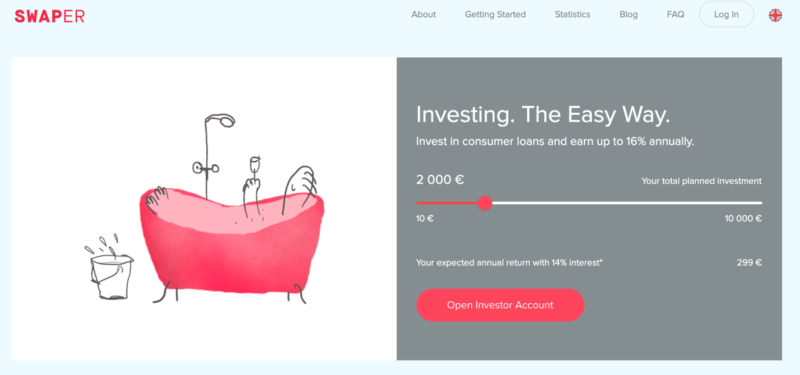
8. Swaper

Swaper P2P lending platform

Regulation Unregulated (Estonian FIU registration)
Average Returns 10-14%
Buyback Yes (60 days)
Secondary Market No
Auto-Invest Yes
Min. Investment EUR 10
Loan Types Consumer, business
Founded 2016

Swaper has been running since 2016 and has now passed EUR 1 billion in total funded loan volume, with around 10,000 investors on the platform and monthly origination of roughly EUR 25 million. It offers short-term consumer loans from originators operating in Spain, Estonia, North Macedonia, and Peru, plus business loans through the newly launched SW Finance OU (established December 2024 with an Estonian FIU license). Interest rates range from 10-14% depending on loan type and geography, with a VIP tier offering higher rates for portfolios above EUR 25,000. The buyback guarantee activates after 60 days.

Effective yields land closer to 10-12% in practice once you account for cash drag. The team navigated the pandemic and the 2022 geopolitical disruption without losses to investors, which deserves credit. The platform is simple by design: there’s no secondary market, so you commit capital until loans mature. Swaper is not regulated under MiFID II or ECSP, though it operates under Estonian law.

See also: My full Swaper review

Sign up to Swaper

9. RoboCash

Regulation Unregulated (Croatia)
Average Returns 8-13%
Buyback Yes (30 days)
Secondary Market No
Auto-Invest Yes (fully automated)
Min. Investment EUR 10
Loan Types Consumer (Southeast Asia, Europe)
Founded 2017

RoboCash has been running since 2017 and is fully automated by design. You set your parameters and the platform handles everything from loan selection to reinvestment. The platform is backed by UnaFinancial (formerly Robocash Group), a consumer finance company with operations across Southeast Asia and Europe. Over 41,000 investors have used the platform, total funded volume has passed EUR 1.27 billion, and monthly origination runs around EUR 21 million.

Returns range from 8-13% annually, with all loans covered by a 30-day buyback guarantee, the shortest buyback window on this list. However, recent analysis has flagged concerns about UnaFinancial’s balance sheet: the debt-to-equity ratio surged to approximately 25x in 2024, with the company losing over half its equity in one year. Some recovery has been seen in 2025, with the group actively reducing debt, but this is worth monitoring. A strong parent is what gives buyback guarantees their actual value, and that equation has become less clear-cut.

See also: My full RoboCash review

Sign up to RoboCash

10. LANDE

LANDE agricultural P2P lending

Regulation ECSP (Latvijas Banka)
Average Returns 10-14%
Buyback No (mortgage-secured)
Secondary Market Yes
Auto-Invest Yes
Min. Investment EUR 50
Loan Types Agricultural (farmland-secured)
Founded 2019

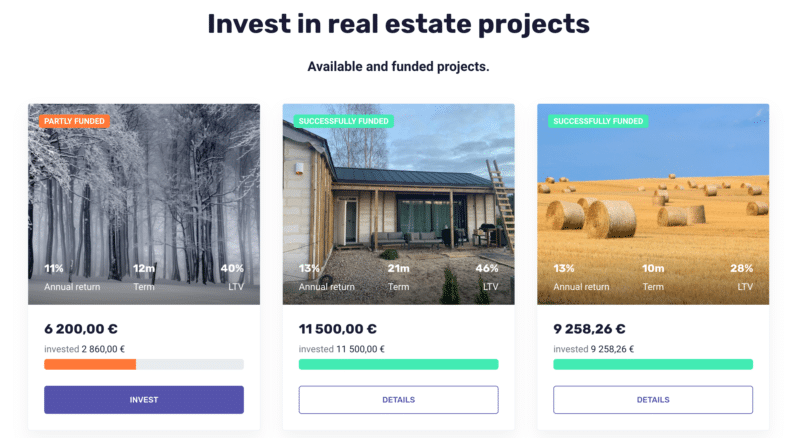
LANDE occupies a niche that no other platform on this list touches: agricultural loans for farmers in Eastern Europe, secured by first-rank mortgages on farmland and agricultural assets. Founded in 2019 in Latvia (originally as LendSecured), the platform holds an ECSP license, has over 8,500 investors, and has funded more than EUR 32 million in loans.

Returns range from 10-14% annually. The collateral structure is extremely conservative, with an average loan-to-value ratio around 37%. All loans carry first-rank mortgage security, meaning LANDE investors sit ahead of everyone else in the repayment queue in the event of default. To date there have been zero capital losses for investors. LANDE also invests its own capital alongside investors in every project, which aligns incentives properly.

The monthly volume is modest (around EUR 1 million), reflecting the niche agricultural focus. That’s not a weakness. It’s a platform that does one thing well rather than trying to be everything to everyone.

See also: My full LANDE review

Invest on LANDE

11. Hive5

Regulation Unregulated (Croatia)
Average Returns 12-15%
Buyback Yes (60 days)
Secondary Market No
Auto-Invest Yes
Min. Investment EUR 10
Loan Types Consumer, business
Founded 2022

Hive5 launched in 2022 and has grown fast. It’s incorporated in Croatia and operates primarily out of Vilnius, Lithuania. The platform now has over 28,000 investors with more than EUR 156 million in loans funded and monthly origination of EUR 6-8 million.

Returns sit at the higher end of what’s available: 12-15% annually, with all loans covered by a buyback obligation if a payment is delayed beyond 60 days. The minimum investment is EUR 10 and the interface is clean and straightforward.

One caveat: Hive5 is not regulated by a financial authority, and it operates from Croatia where platforms can argue legal exemption from the ECSP framework. There’s also structural overlap between the platform and some of its loan originators, which is a concentration risk you should weigh up. The higher returns reflect higher risk.

See also: My full Hive5 review

Sign up to Hive5

12. Bondora

Bondora P2P lending platform

Regulation EMI licensed (Estonia)
Average Returns 6% (Go & Grow)
Buyback N/A (pooled product)
Secondary Market N/A (daily liquidity on Go & Grow)
Auto-Invest Yes
Min. Investment EUR 1
Loan Types Consumer (Estonia, Finland)
Founded 2009

Bondora is one of the oldest platforms in European P2P lending, founded in 2009 in Estonia. I’ve been investing there since 2016. The platform’s flagship product, Go & Grow, offers a fixed 6% return with daily liquidity, which makes it the most conservative option on this list. It set all-time deposit records in December 2025 (EUR 46.7 million in a single month) and is approaching 500,000 investors with nearly EUR 1.9 billion in total investments.

Bondora has been profitable for eight consecutive years, a statement very few platforms in this space can make. Go & Grow appeals to investors who want simplicity and liquidity at the cost of a lower yield. If you want higher returns, the standard portfolio products are still available but require more active management. Either way, Bondora’s longevity and profitability make it one of the most credible operators in the market.

See also: My full Bondora review

Invest on Bondora

Also Worth Considering

These platforms didn’t make the top 12 but are legitimate options worth evaluating depending on your priorities.

Esketit is backed by the Creamfinance group and offers consumer loans across multiple markets with returns of 10-14%. The platform holds an ECSP license and has grown steadily since launching. Buyback guarantee activates after 60 days. A solid mid-tier option with regulatory backing. Read my review.

Income Marketplace offers around 13% returns with an innovative “junior share” mechanism where loan originators absorb the first losses before investors take any hit. Lifetime volume sits at EUR 201 million. The platform is unregulated and still doesn’t have a secondary market, but the structural protections are among the best in the industry. Read my review.

Fintown is a Czech real estate platform focused on AirBnB apartments in Prague. The niche is interesting and the platform has funded around EUR 24 million. It’s unregulated and small, so treat it as a satellite allocation rather than a core holding. Read my review.

Monefit SmartSaver offers a savings-like product with 7-10% returns backed by Creditstar Group’s consumer lending portfolio. With over 30,000 investors and EUR 302 million in assets, it’s a simple option for investors who want P2P-level returns without managing individual loans. The parent company Creditstar is a well-established lender, though the product itself is not separately regulated. Read my review.

Lonvest launched in 2023 and targets up to 13% returns with a 60-day buyback guarantee. It’s connected to the UnaFinancial ecosystem (same parent as RoboCash) and is expanding into Mexico. At only EUR 1.6 million in lifetime volume and roughly 600 investors, it’s still very early stage. The signals are positive but treat it as a small speculative allocation. Read my review.

Maclear is a Swiss-based platform offering business loans with returns of 14-16%. The platform is regulated by the Swiss financial authorities and offers collateralized loans with a buyback guarantee. It’s relatively new but the Swiss regulatory framework provides a different kind of credibility compared to the Baltic platforms that dominate this space.

How I Evaluate P2P Lending Platforms

After nearly a decade of investing in P2P lending, I’ve developed a framework for evaluating platforms that goes beyond headline returns. Here’s what I weigh most heavily:

Regulation first. A MiFID II investment firm license is the gold standard. ECSP is good. No regulation means you’re trusting the platform’s word alone. I allocate the majority of my P2P capital to regulated platforms and only smaller amounts to unregulated ones with proven track records.

Parent company financials. Buyback guarantees are only as strong as the entity making them. I look at parent company profitability, debt-to-equity ratios, and revenue trends. A platform offering 14% returns with a parent company bleeding cash is riskier than one offering 10% with a profitable parent.

Track record through stress. Platforms that operated through COVID, the Ukraine war, and the 2022 interest rate shock without investor losses have earned credibility that newer entrants simply don’t have. That lived experience matters.

Diversification of loan originators. Single-originator platforms concentrate your risk. If that originator fails, your entire investment is at risk simultaneously. Multi-originator marketplaces like Mintos spread that risk across dozens of lenders in different countries.

Liquidity options. A secondary market matters if you might need access to your capital before loans mature. Platforms without one lock your money until each loan term ends.

Understanding Regulation

Regulation has become the single most important differentiator between P2P platforms. Here’s what the three tiers mean in practice.

MiFID II (strongest): Platforms holding an investment firm license under MiFID II are supervised by the same financial regulators that oversee banks and brokerages. Investors benefit from the EUR 20,000 compensation scheme, mandatory capital adequacy requirements, and proper complaint resolution mechanisms. Four platforms on or near this list hold these licenses: Mintos, Nectaro, ViaInvest, and Debitum.

ECSP (good): The European Crowdfunding Service Provider regulation provides a pan-EU framework for crowdfunding platforms. It’s less comprehensive than MiFID II but still requires regulatory authorization, key investment information sheets, and investor protection measures. Platforms with ECSP licenses include Debitum, Afranga, Esketit, LANDE, and InRento.

Unregulated (higher risk): Several popular platforms operate without specific financial regulation, often from jurisdictions like Croatia or Estonia where they can argue legal exemption. These platforms may still be trustworthy, but you’re relying entirely on the platform’s goodwill and track record rather than regulatory backstops. PeerBerry, Swaper, RoboCash, and Hive5 fall into this category. Bondora holds an Electronic Money Institution (EMI) license in Estonia, which provides some regulatory oversight but is not equivalent to MiFID II or ECSP for investment protection purposes.

Who Can Invest?

All platforms listed here accept investors from across the European Union. Most also accept investors from non-EU European countries. If you’re based outside Europe, some platforms will still accept you. Check each platform’s registration flow for current eligibility rules.

Most platforms require you to be at least 18 years old and to complete identity verification (KYC). The process typically takes a few minutes to a few days. Some platforms have minimum deposit requirements ranging from EUR 1 (Bondora) to EUR 500 (InRento).

What Returns Can Investors Realistically Expect?

In 2026, realistic net returns on well-managed P2P portfolios across European platforms fall in the 8-12% range. That’s after accounting for cash drag, occasional defaulted loans, and any platform-level risks that materialize.

That range is worth contextualizing. European savings rates have risen from near zero to somewhere in the 2-4% range for short-term deposits, depending on the bank and country. High-yield bond ETFs yield 5-7%. P2P lending still offers a meaningful premium over both, but the spread has compressed compared to the 2015-2021 period when bank savings paid essentially nothing.

The platforms advertising 14-16% headline rates tend to have higher underlying risk, shorter track records, or significant cash drag that eats into effective yields. I don’t chase the top of that range. The platforms I weight most heavily in my own portfolio target 10-12%, with strong regulatory standing and multiple years of clean track record behind them.

Risks of P2P Lending

P2P lending is an alternative investment with real risks. Platform failure, loan originator default, liquidity risk, and regulatory change can all affect your returns or your ability to access your capital at all. Buyback guarantees protect against individual borrower defaults but not against the insolvency of the loan originator making that guarantee.

The European market has lost multiple platforms in recent years: Grupeer turned out to be a scam, Crowdestor defaulted on 67-80% of its portfolio, Reinvest24 collapsed with 100% of funds in recovery, and EstateGuru has 62% of its portfolio under recovery with EUR 133 million in defaults. These are not edge cases. They represent a meaningful portion of the platforms that existed five years ago.

The most effective risk mitigation strategy is diversification across multiple regulated platforms combined with realistic return expectations. Never invest money you can’t afford to lose entirely, and never concentrate more than 10-15% of your investment portfolio in P2P lending.

I’ve written a detailed guide on whether P2P lending is safe that covers these risks properly. Read it before you invest.

Alternatives to P2P Lending

If you want to diversify your alternative investment allocation beyond P2P loans, European real estate crowdfunding platforms are the most natural complement. They typically offer similar yield ranges backed by property assets rather than consumer or business loans. The liquidity profile is different (terms tend to be longer) but the collateral quality can be higher.

For a more conservative allocation, Bondora’s Go & Grow or Monefit SmartSaver bridge the gap between savings accounts and higher-risk P2P, offering 6-10% with simpler, more liquid products.

Frequently Asked Questions

What is P2P lending?

Peer-to-peer lending connects investors directly with borrowers through online platforms, cutting out traditional banks. You lend money to individuals or businesses and earn interest on the repayments. In Europe, most P2P platforms work with loan originators who underwrite and service the loans, rather than individual borrowers posting loan requests.

Is P2P lending safe?

P2P lending carries real risk. Platform failures, loan originator defaults, and fraud have cost investors money. However, properly regulated platforms (MiFID II or ECSP licensed) offer meaningful investor protections. The key is diversifying across multiple platforms and prioritizing regulation over headline returns. Read my detailed guide on P2P lending safety.

What returns can I expect from P2P lending in Europe?

Realistic net returns in 2026 range from 8-12% annually on a well-diversified portfolio. Conservative options like Bondora’s Go & Grow offer 6% with daily liquidity. Higher-risk platforms may advertise 14-16% but actual returns are often lower after accounting for cash drag and defaults.

Do I need to pay tax on P2P lending income?

Yes. P2P lending income is taxable in most European countries, typically as interest income or capital gains. Some platforms withhold tax at source (e.g., 20% in Latvia, 10% in Bulgaria), which can usually be credited against your home country tax liability under double tax treaties. I’ve written about how P2P lending is taxed in Spain as an example.

What is the difference between MiFID II and ECSP regulation?

MiFID II (Markets in Financial Instruments Directive) is the same framework that regulates stockbrokers and investment firms. It provides the EUR 20,000 investor compensation scheme and strict operational requirements. ECSP (European Crowdfunding Service Provider) is a newer, EU-wide regulation specifically for crowdfunding. It requires authorization and investor protection measures but is less comprehensive than MiFID II. Both are significantly better than no regulation.

What is a buyback obligation?

A buyback obligation (sometimes called a buyback guarantee) means the loan originator promises to repurchase a loan if the borrower falls behind on repayments, typically after 30-60 days. The originator buys back the principal and accrued interest. However, this is a contractual promise, not an insurance policy. If the loan originator itself goes bankrupt, the buyback obligation becomes worthless.

Can I invest in European P2P platforms if I live outside the EU?

It depends on the platform. Many European P2P platforms accept investors from non-EU countries, though some restrict access based on jurisdiction. Check each platform’s eligibility requirements during registration. You’ll need to complete identity verification regardless of where you’re based.

Conclusion

If you’re new to P2P lending and want to start somewhere sensible, I’d suggest opening accounts with Mintos and ViaInvest first. Both hold MiFID II licenses, have real scale, and have survived multiple market disruptions. Nectaro is a strong third choice if you want to maximize returns while staying within MiFID II regulation. From there, diversifying across two or three additional platforms reduces your single-platform concentration risk.

If you want to understand how P2P lending works before committing money, my ultimate guide to P2P lending covers the mechanics in depth. And if you’re still on the fence about whether the asset class makes sense for you, I’ve written a straightforward breakdown of why you should (or shouldn’t) invest in P2P lending.

Before you invest, make sure you understand how P2P income is taxed in your country. I’ve written about how P2P lending is taxed in Spain, which may be useful if you’re a Spanish resident.

Have you invested in any of these platforms? What has your experience been? Leave a comment below.

Filed under: Money, P2P Lending, Top Post

  • « Previous Page
  • 1
  • …
  • 74
  • 75
  • 76
  • 77
  • 78
  • …
  • 90
  • Next Page »

Latest Padel Match

Jean Galea

Investor | Dad | Global Citizen | Athlete

Follow @jeangalea

  • My Padel Experience
  • Affiliate Disclaimer
  • Cookies
  • Contact

Copyright © 2006 - 2026 · Hosted at Kinsta · Built on the Genesis Framework